Story of change

Over the past two decades, we have strengthened the efforts of the entire early childhood development (ECD) sector to enable children, caregivers, and the ECD workforce to access essential services. The timeline below highlights key milestones from our journey.

We also have a more detailed account of out work from the past decades.

2007

Philanthropic organisations, ELMA Philanthropies, the DG Murray Trust, and UBS Optimus Foundation co-founded Ilifa Labantwana in 2007 to accelerate the implementation of South Africa’s National Integrated Plan for ECD 2005. Our early focus was on building implementation evidence, and we commissioned various NGOs to test a community-based ECD delivery models tailored to the diverse realities in which South Africa’s children live.

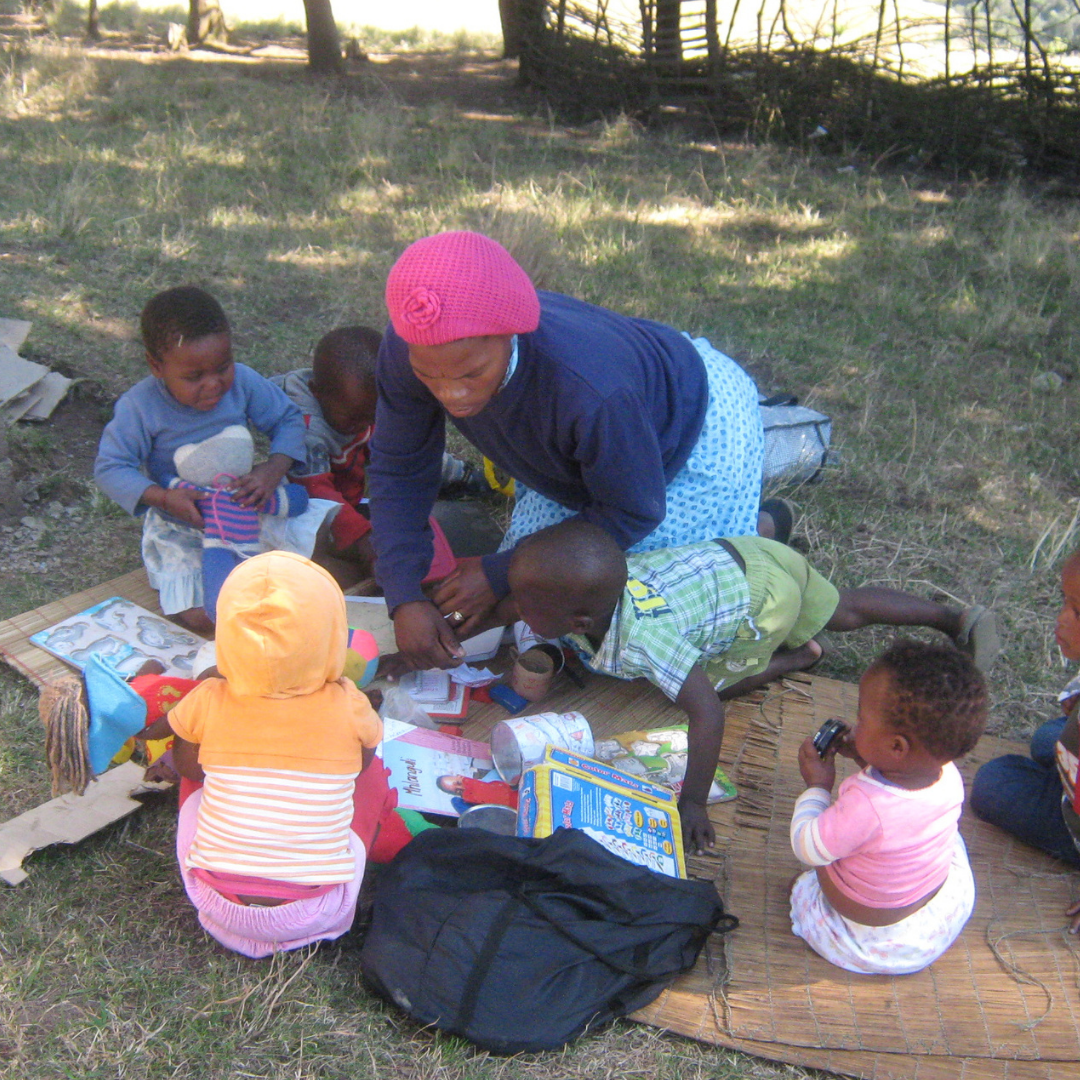
NGO partner ELRU tested integrated ECD interventions as part of Sobambisana. The photo above was taken during this process in Lusikisiki, Eastern Cape (2019)

2012

We published the results of our tests, known collectively as Sobambisana. We found that ECD requires an integrated essential package of services, which starts in pregnancy and encompasses maternal and child health, nutrition, parenting support, social services, and early learning. Sobambisana directly informed and shaped the National Diagnostic Review on ECD.

Evaluation outcomes of the Sobambisana Initiative

2013

We published The Essential Package, which defines the services required for the healthy development of children under 5 years. The Essential Package went on to inform the South African National Integrated ECD Policy, which would be approved by Cabinet in 2015.

The Essential Package published by Ilifa Labantwana

2014

We incubated the early years investor, Innovation Edge, which went on to develop South Africa’s first, and only, standardised and psychometrically valid tools to measure a range of child development outcomes. The tools are Early Learning Measurement Tools (ELOM) and they would go on to make South Africa’s national survey of early childhood development, the Thrive by Five Index, possible.

The photo shows an ELOM child assessment underway. Picture credit: DataDrive2030

2015

Sobambisana taught us that South Africa needs large-scale community-based programmes to ensure population-level coverage of early learning programmes. We supported the funding of SmartStart, the country’s first ECD social franchise with a bold ambition to expand access to quality early learning for all children through home and community-based early learning programmes.

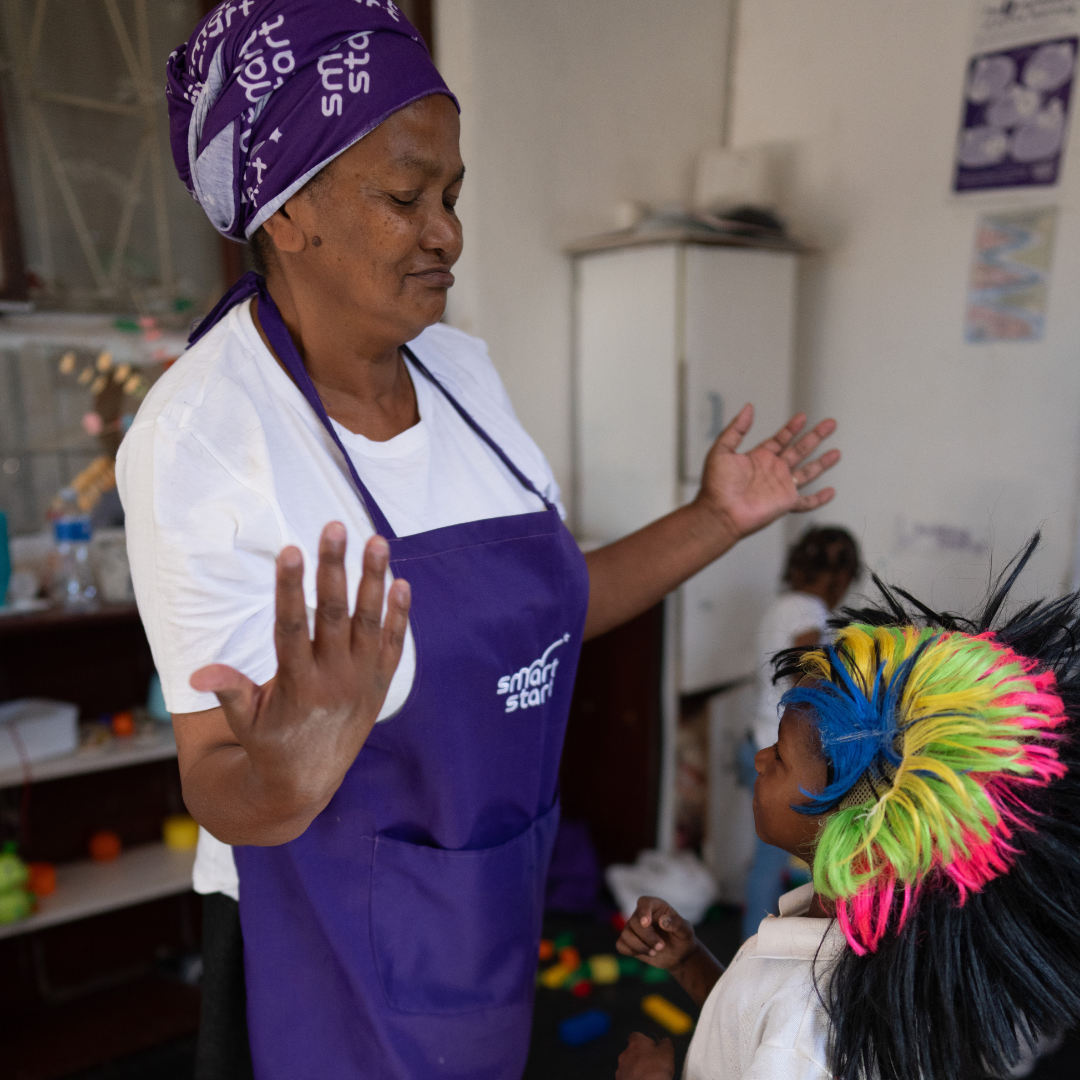
SmartStart playgroup in Klapmuts, Western Cape (2025)

Starting in 2015 and continuing for the next 4 years, we piloted ways to improve access to early learning programmes. We understood and we were able to demonstrate how early learning programmes in the poorest communities were systematically excluded from registration and subsidy access due to unrealistic infrastructure norms and standards. With our partners, we tested innovative approaches to upgrading and maintaining the infrastructure of programmes so they can registration.

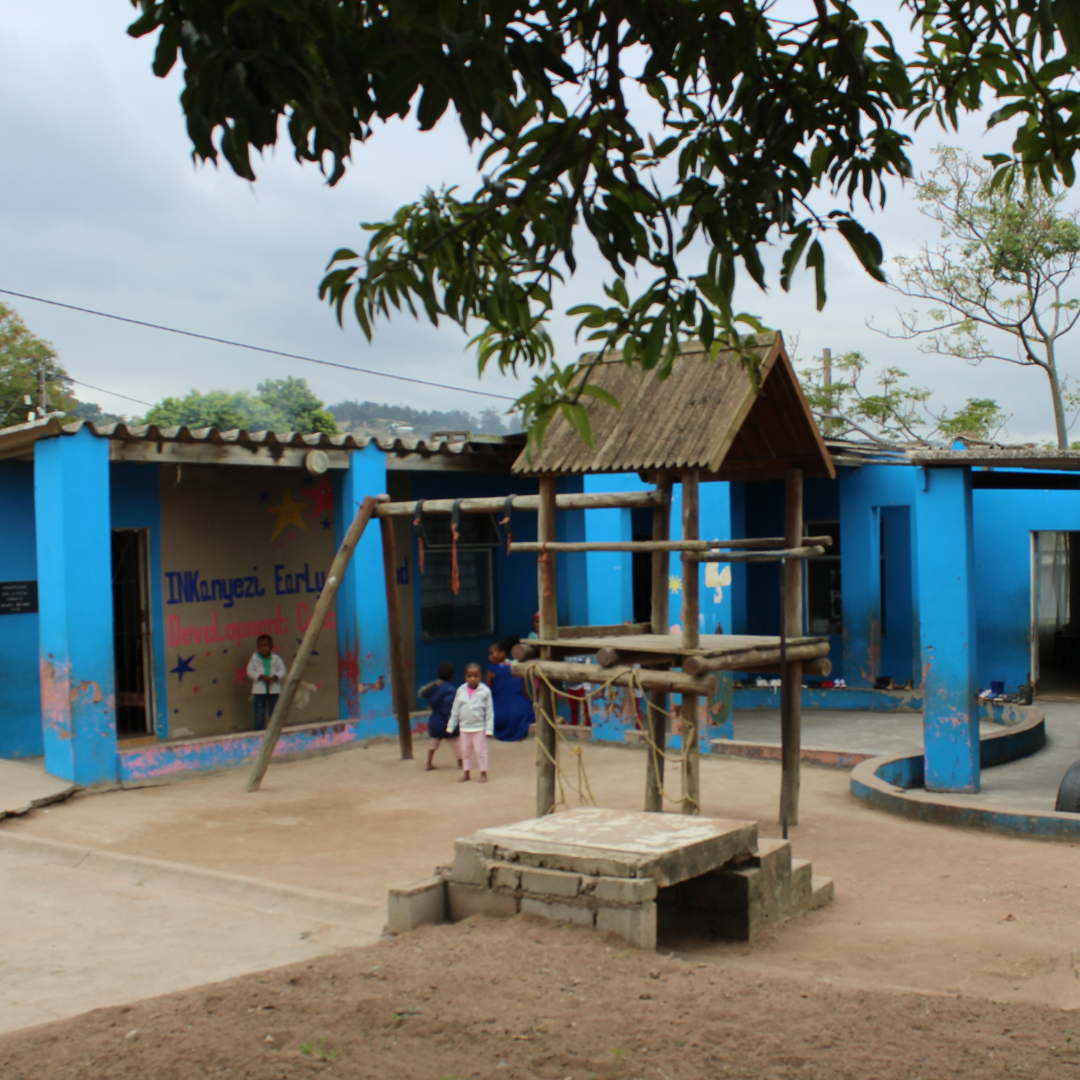
Inkanyezi ECD centre in Amaoti, Kwa-Zulu Natal was one of the centres that participated in our registration work over this time (2018)

2017

Our work catalysed the first ringfenced ECD budget – we supported the government in designing and planning the landmark ECD Conditional Grant. The Grant, introduced at R813mn for 2017/2018 and 2018/2019, is divided into two components: a subsidy component and an infrastructure component. The latter is earmarked for upgrading and maintaining the infrastructure of ELPs. We also supported the government in estimating the cost of universal access to ECD.

2018

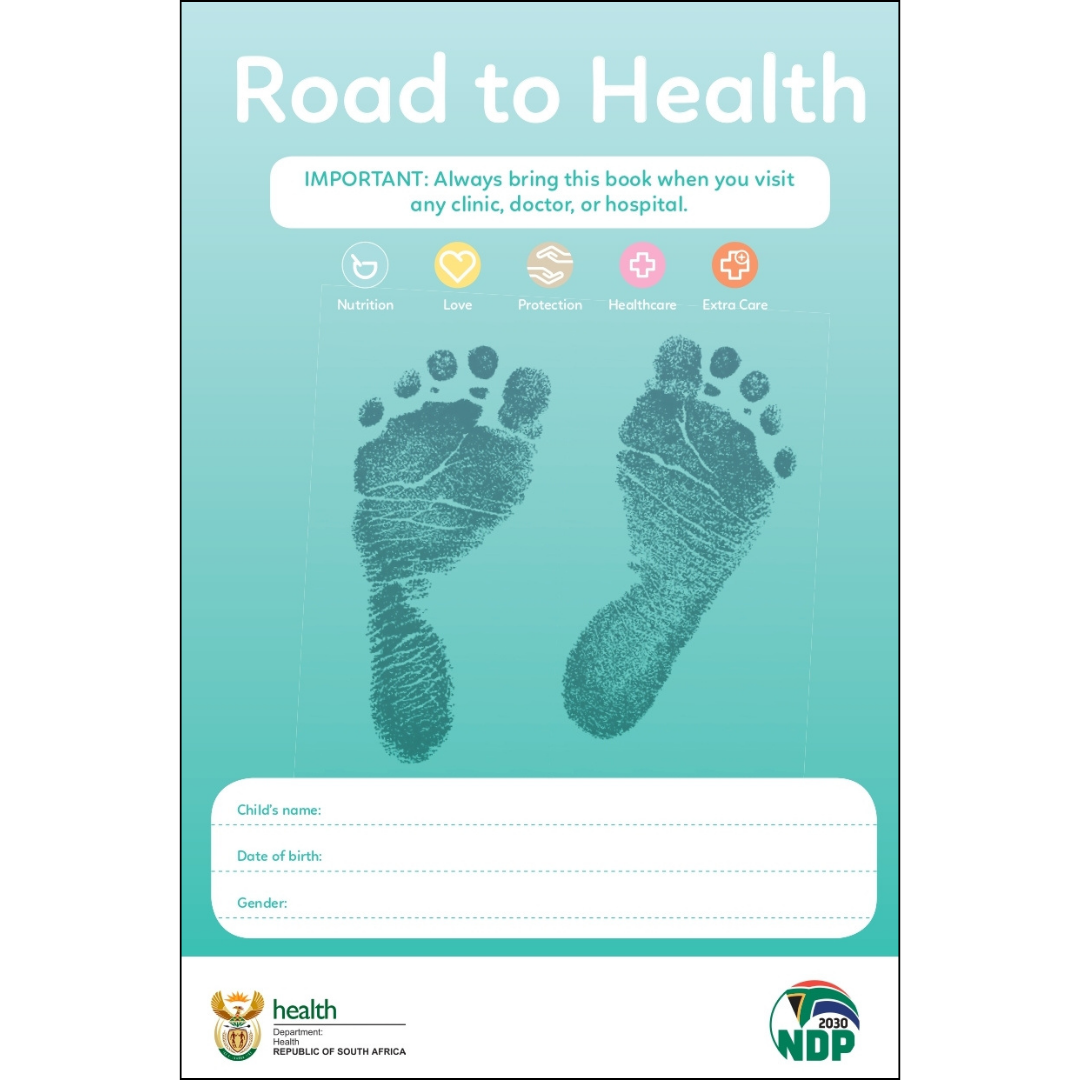
We assisted and guided the government with the launch of South Africa’s first national ECD communication campaign, Side-by-Side, which was anchored in the redesign of the official public health record for newborns – the Road to Health Book. Side-by-Side represents a significant readjustment in the government’s approach to maternal and child health services: a shift from survive to survive and thrive.

The revised Road to Health book launched with Ilifa support in 2018.

Our research on the first 1,000 days highlighted the gap in ECD provisioning for this cohort, coupled with rising pressure from South Africa’s unacceptably high nutritional stunting rate, contributed to the establishment of the Grow Great Campaign. Grow Great seeks to galvanise South Africa towards achieving zero-stunting by 2030

2020

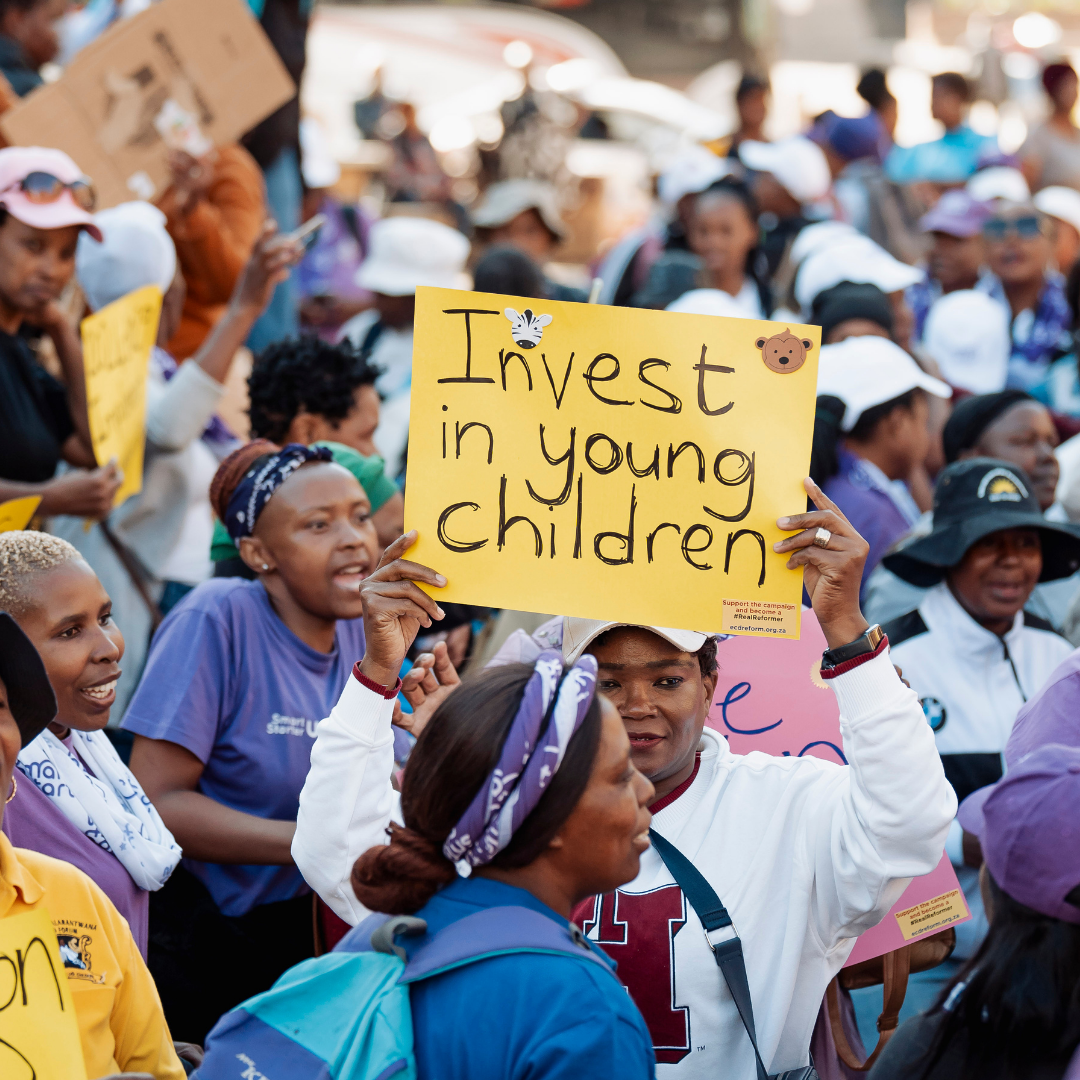
The Children’s Amendment Bill was tabled before Parliament without any significant changes to make the ECD operating environment more enabling. In response, we co-founded the Real Reform for ECD Campaign with the Equality Collective, a first-of-its-kind advocacy effort supported by over 200 organisations. The campaign resulted in overturning the unjust Bill and we went on to support its redrafting.

Image Credit Sivuyile Matsiliza for Real Reform for ECD

2022

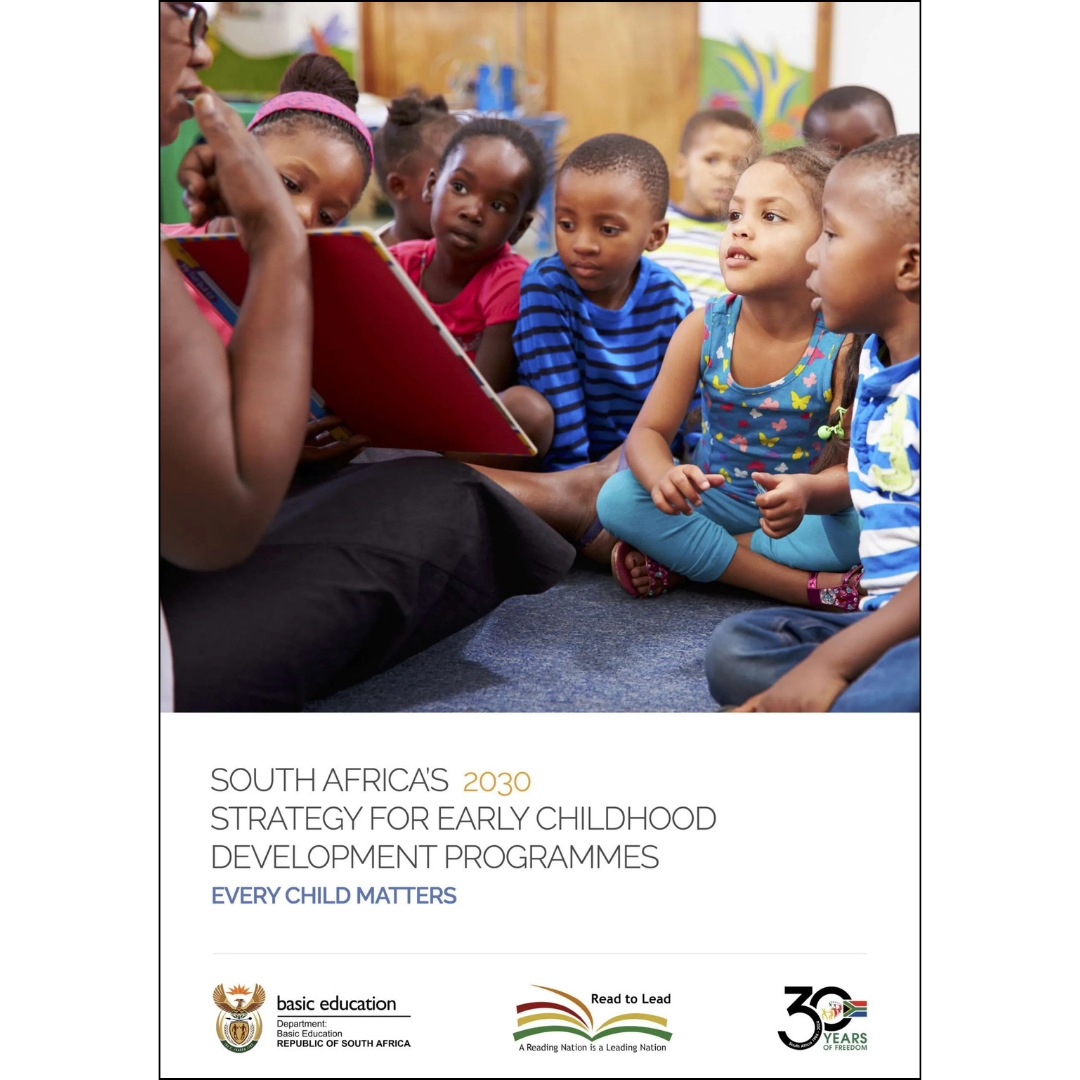
As the Department of Basic Education took over the mandate for ECD from the Department of Social Development, we guided and supported the department in the transition helping to define priorities and the Department’s first strategic document – South Africa’s 2030 Strategy for Early Childhood Development Programmes.

The Department of Basic Education's 2030 Strategy for ECD Programmes

2023

The number of children subsidised to attend early learning programmes increased by 25%, helped along by various system reforms we had supported over the past 5 years.

SmartStart playgroup in Klapmuts, Western Cape (2025)

2024

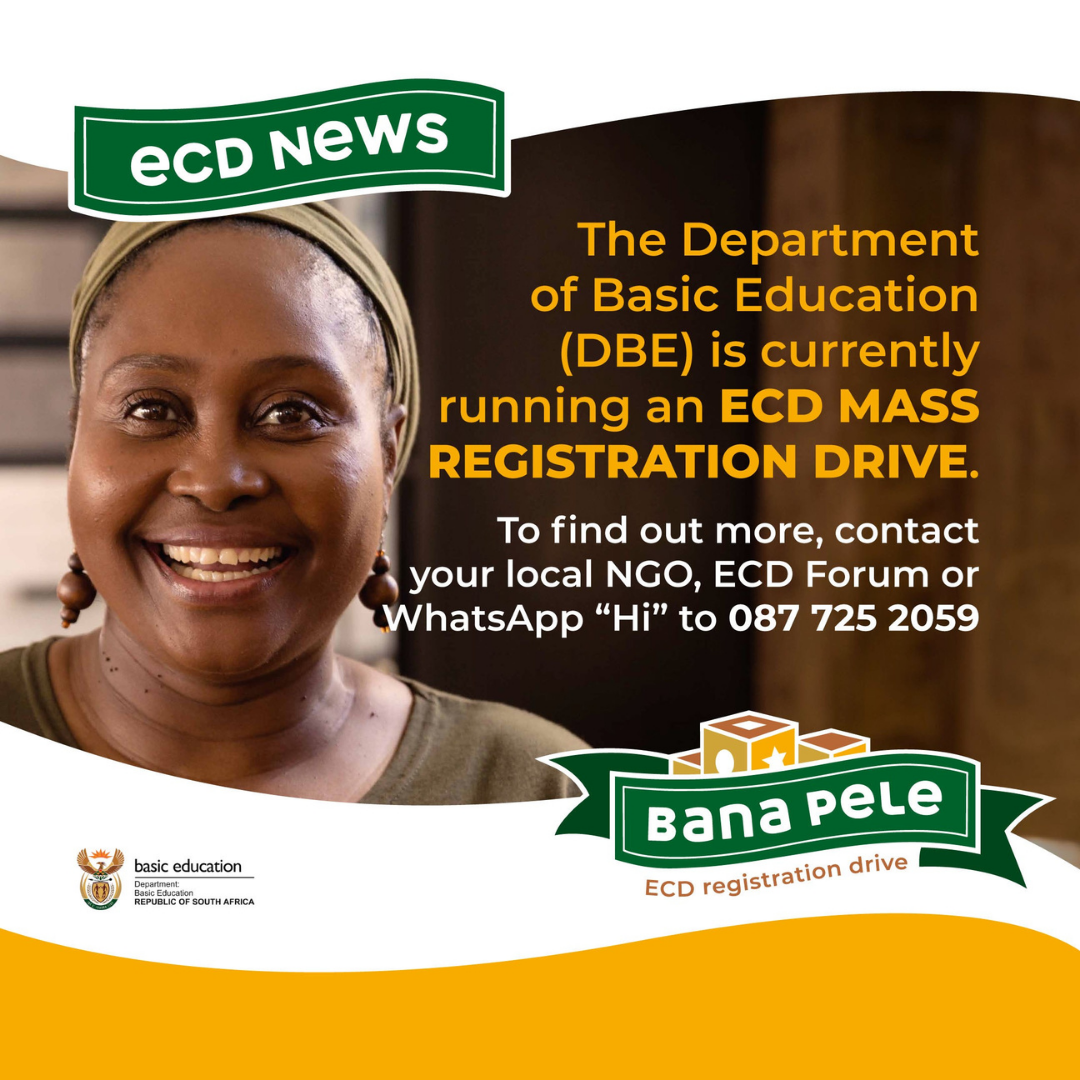
We applied our expertise in ECD registration systems to the government’s Bana Pele ECD Registration Drive – South Africa’s biggest effort to date to bring all early learning programmes in the regulatory net. Bana Pele is powered by eCares, the states’ new online management information system for ECD. We had supported the development of the Department of Basic Education’s eCares since 2022.

A promotional poster for the Bana Pele campaign issued by the government

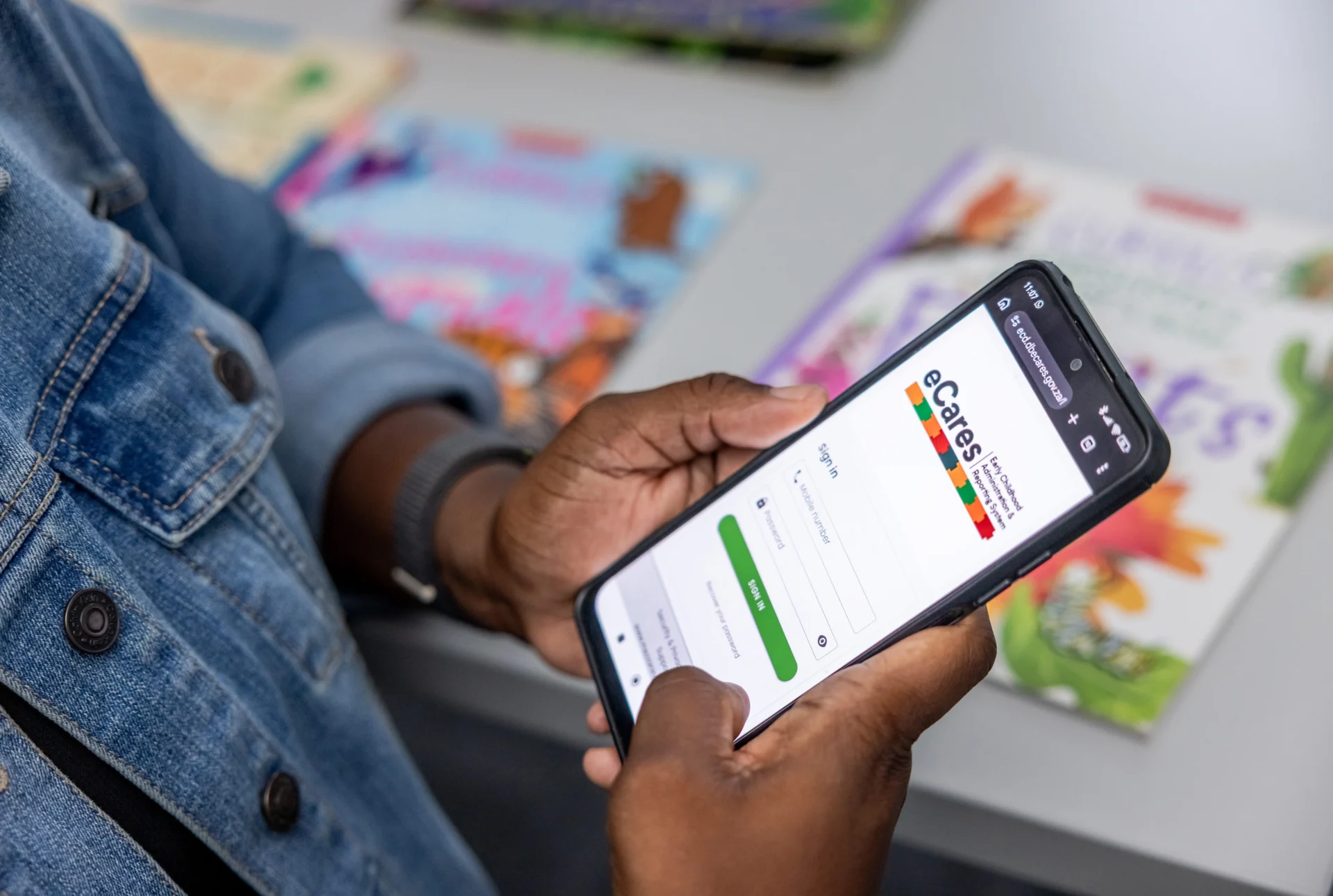
We co-developed South Africa’s first digital
information system for ECD, eCares, which powered Bana Pele and brought tens of thousands of previously unknown early learning programmes onto the government’s radar. eCares has created a foundation for data-led systems for ECD planning,
resourcing, and quality support.

eCares enables early learning programme owners to register with government digitally

2025

The government allocated a landmark additional R10bn to the ECD subsidy. We were proud to support the Department of Basic Education, a culmination of nearly two decades of systems reform and sustained agenda-setting, resulting in the release of significant new public funding for young children.