The COVID-19 pandemic paralysed South Africa’s early childhood development (ECD) sector, forcing sites to close and threatening livelihoods and child wellbeing. Unregistered programmes serving the poorest children were most at risk. Ilifa urgently mobilised resources and partnerships, raising R36mn in funds and launching the ECD COVID Response Project in September 2020. The Project’s objectives were to provide a humanitarian response to the crisis – ensuring unregistered ECD sites could reopen as soon as possible and providing nutrition support to vulnerable children – but also to test various hypotheses for longer-term systems change in the ECD sector.
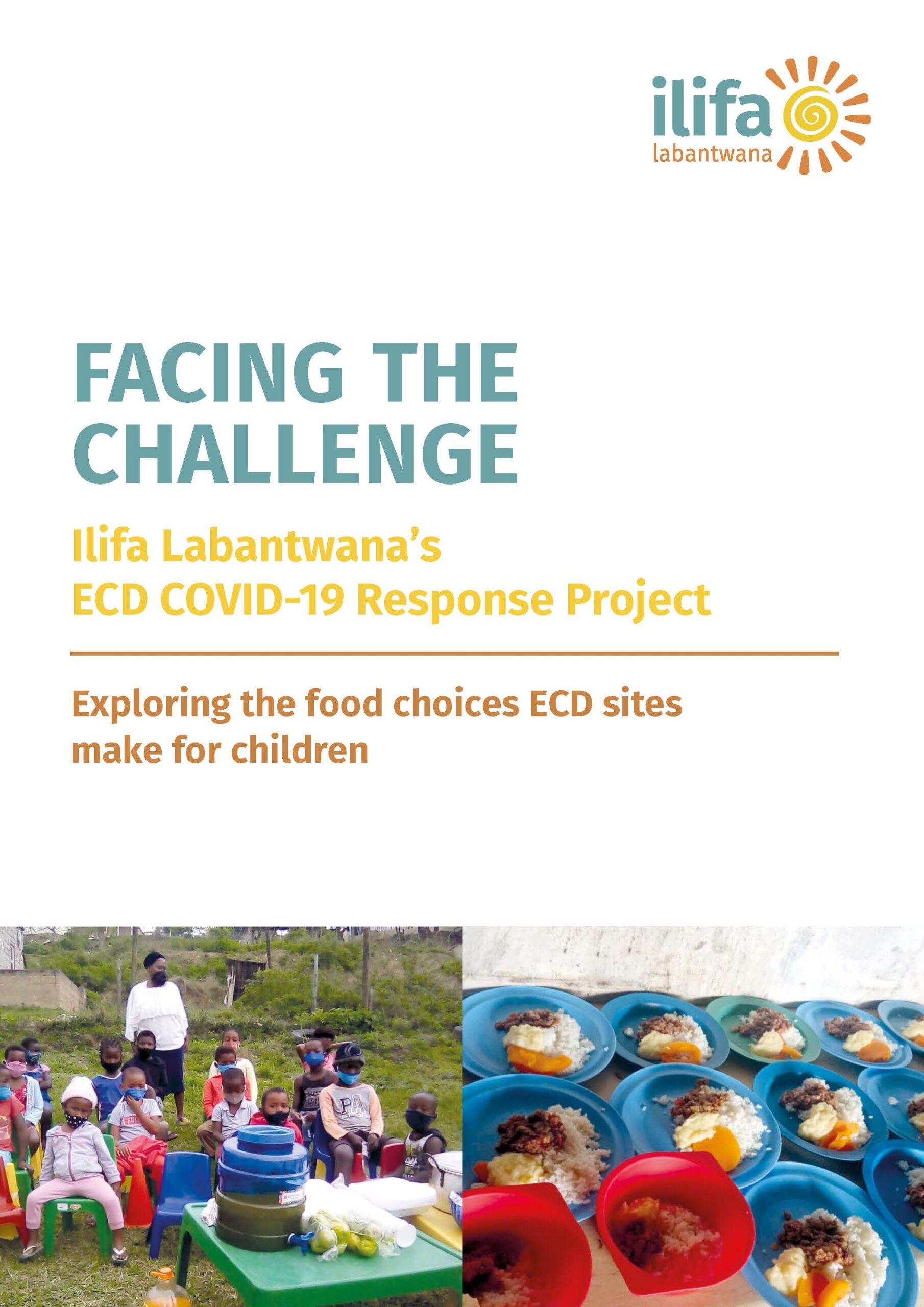
The Project sought to illustrate the extent to which ECD programmes can become nutrition hubs for young children, regardless of their registration status, by testing new models of feeding, through the use of digital vouchers redeemable by ECD programmes at local spaza shops. The Project provided guidance on food purchases and feeding options, but allowed ECD managers/owners to purchase foods according to their programme’s needs and what was available in local contexts. This short report presents the lessons of what unregistered ECD sites would do if given a high degree of choice in spending digital vouchers.