Welcome to your Little Big Reads– a monthly roundup from the Ilifa research team to inspire curiosity and share some of the most thought-provoking work we’ve come across. If something catches your eye, take a moment to explore – or just enjoy the quick read.
Social services
Birth registration is the foundation for a child’s legal identity and access to essential services such as healthcare, education, and social protection. A new realist review finds that health facilities play a critical role in improving birth registration rates in low- and middle-income countries. Two approaches stand out: (1) placing registration officials directly in health facilities, and (2) integrating birth registration education into routine maternal care. While these strategies can reduce barriers and improve awareness, success depends on strong institutional support, reliable infrastructure, motivated staff, and collaboration across sectors. The evidence highlights the importance of designing services around the realities families face if countries are to meet the UN’s goal of universal birth registration by 2030. Read more
Policy
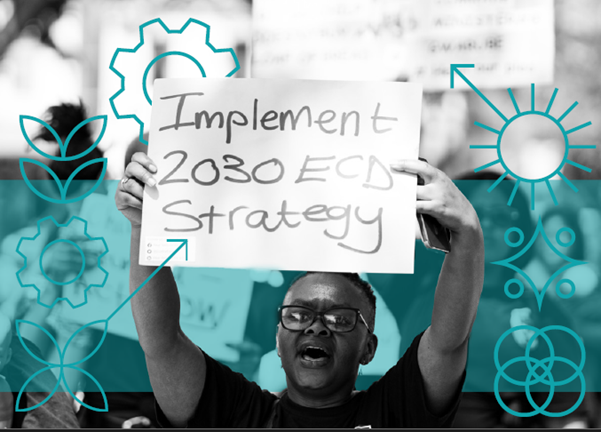
South Africa’s newly published National Strategy to Accelerate Action for Children (NSAAC) sets out a roadmap to improve outcomes for children and adolescents. The strategy identifies ten priority areas, including reducing child mortality, strengthening families, and improving nutrition. Importantly, it promotes a whole-of-society approach, moving beyond fragmented government responses to address declining child wellbeing more effectively. Read more
Child health
A study spanning 104 countries challenges the assumption that economic growth alone leads to better child nutrition outcomes. Researchers found that while wealthier countries generally have lower rates of child stunting, annual increases in GDP have little immediate impact. Instead, long-term improvements are linked to investments in maternal education, sanitation, and healthcare systems. The findings suggest that reducing stunting requires structural change, not just economic growth. Read more
Parenting
New evidence from rural Kenya shows how community- and faith-based partnerships can strengthen parenting support. The Moments that Matter (MTM) programme improved caregiver wellbeing, mental health, nutrition, and positive caregiving practices. It also reduced harsh discipline and domestic violence while encouraging greater involvement from fathers. Although impacts on overall child development outcomes were mixed, the study demonstrates the potential of community-driven parenting programmes in low-resource settings. Read more
Workforce
A new analysis of the US early childhood care and education workforce reveals that longstanding workforce challenges persist despite increased policy attention and investment. Low wages, high staff turnover, and limited economic security continue to characterise the sector. While the workforce has become more diverse and educated, childcare jobs remain less economically secure than many other professions. The research highlights the need for stronger policy solutions to build and retain a stable, professional early childhood workforce. Read more
Maternal health
A study conducted in rural KwaZulu-Natal found that improving workplace culture can significantly improve women’s experiences of maternity care. The Strengthening Teamwork and Respect (STAR) intervention used participatory learning and peer-led approaches to improve teamwork and reduce disrespectful treatment during childbirth. The greatest benefits were reported among disadvantaged women and those with limited antenatal care. The findings suggest that empowering frontline health workers to lead change can help create more dignified, equitable maternity care environments. Read more
From the Curator
Share any interesting reads with us to be summarised in the next edition: elizabeth@ilifalabantwana.co.za